The story of Silicon One
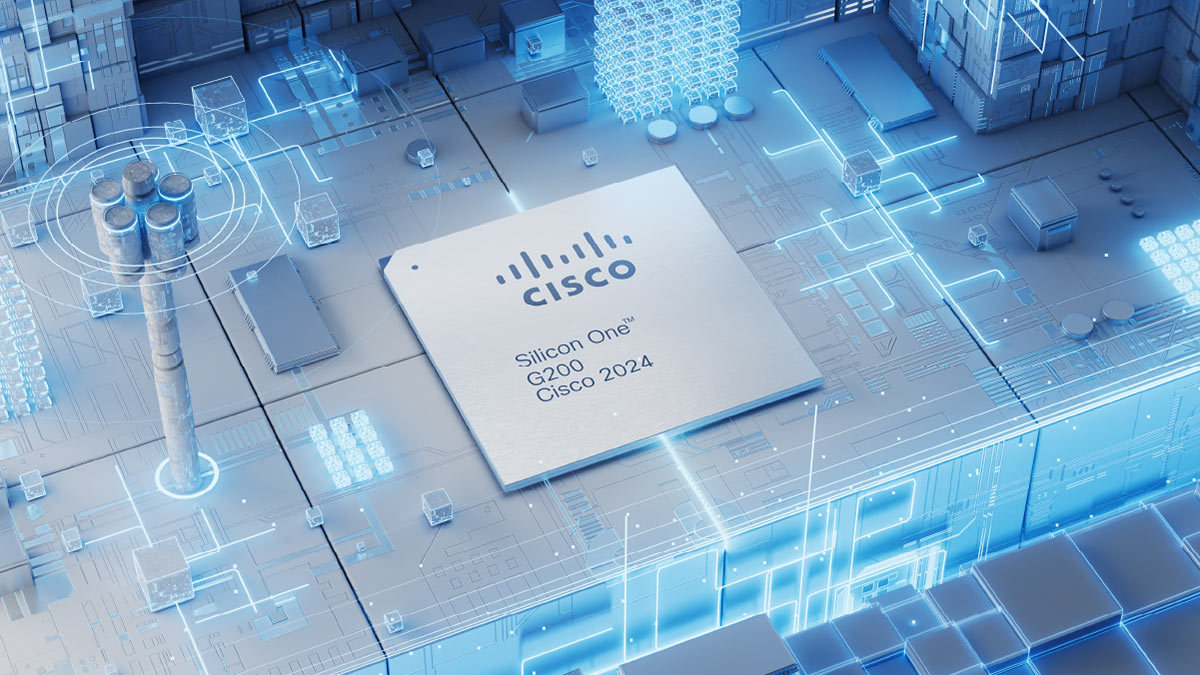
Released in 2019, Cisco’s Silicon One architecture was the result of a massive $1 billion investment. And it represented the industry’s only scalable, programmable, and unified networking architecture. From the very beginning, Cisco's vision was bold: to completely rethink what the internet could do and how accessible it could be.
Since then, Silicon One has delivered rapid improvements in speed, bandwidth, low latency, and energy savings. Today it powers hyperscale, data centers, service provider, and enterprise networks, across a wide range of Cisco products that are enabling and securing the AI revolution.
Here are some key moments that shaped this remarkable journey, from the first sparks of inspiration to the recent release of the Silicon One P200, which is enabling the rapid acceleration of the AI era.
a timeline

A Cisco team led by SVP and Cisco Fellow Rakesh Chopra calculates the limits of current ASIC architectures. Given the explosion of 5G, AI, IoT, and other technologies, they recognize the need for major innovation.
Cisco launches internal plans to develop its own silicon. Shrouded in secrecy, Cisco develops a programmable, scalable silicon architecture for use across all its networking products

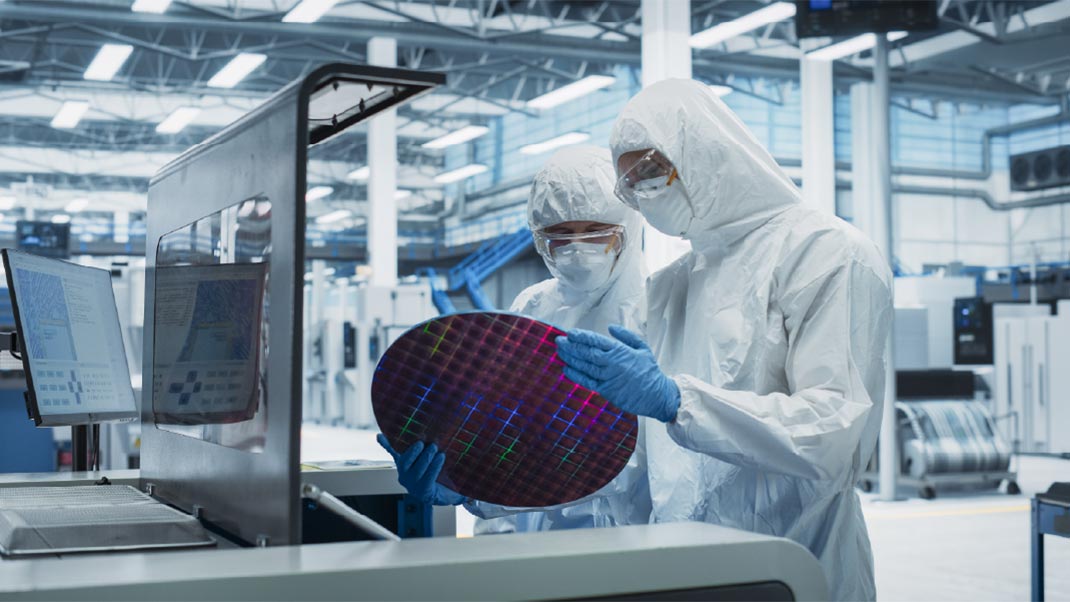
Cisco acquires Leaba SemiConductor, an Israeli chip developer. They join a broader Cisco engineering team that begins to build the foundation of Silicon One.
Cisco invests over $1 billion to create its own fabless silicon, aiming to redefine network performance and efficiency.


Silicon One is released. It converges silicon for routing and switching, while simplifying operations, reducing costs, and lowering energy demands. It’s designed to future proof organizations for the challenges to come, especially around AI.
Cisco announces six new Silicon One devices, expanding beyond routing and into web-scale switching.


The Silicon One G100 debuts, providing 25.6 Tbps bandwidth and major efficiency improvements. Later in that year Cisco announced also the P100, a 19.2-Tbps routing chip — the highest bandwidth, highest performance, most flexible, and most power-efficient routing silicon on the market.
Cisco introduces its Silicon One G100-powered 800G cloud platforms and high-powered Catalyst 9000X series switches to support hybrid work and AI growth.
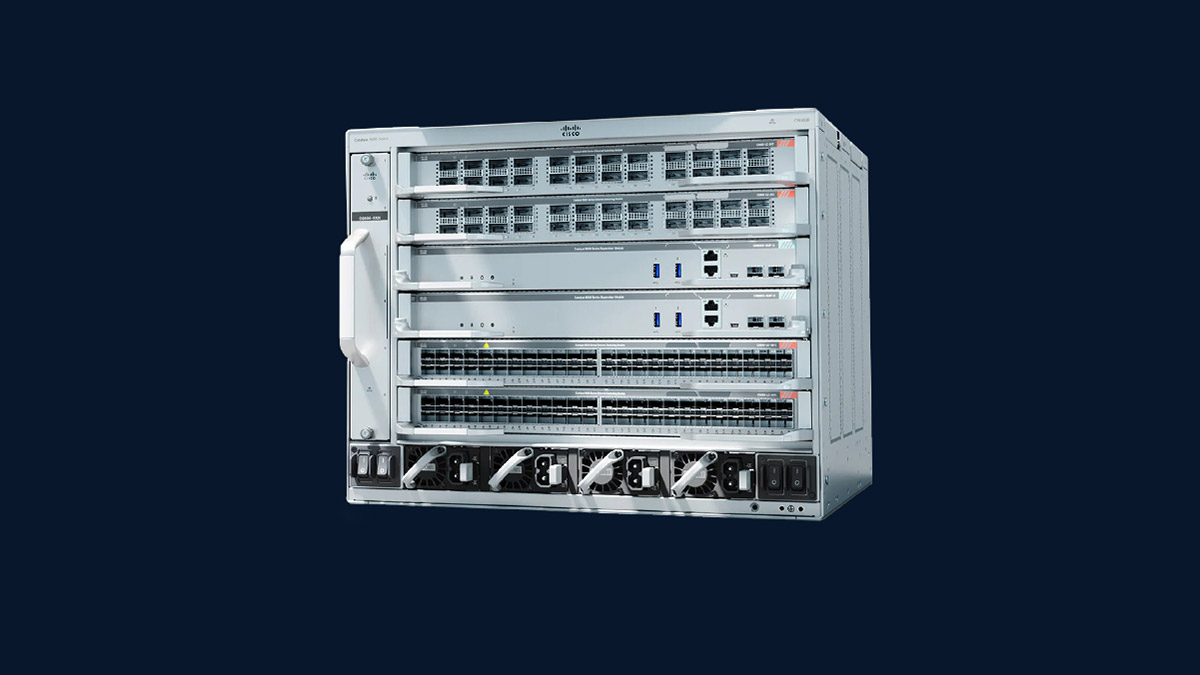
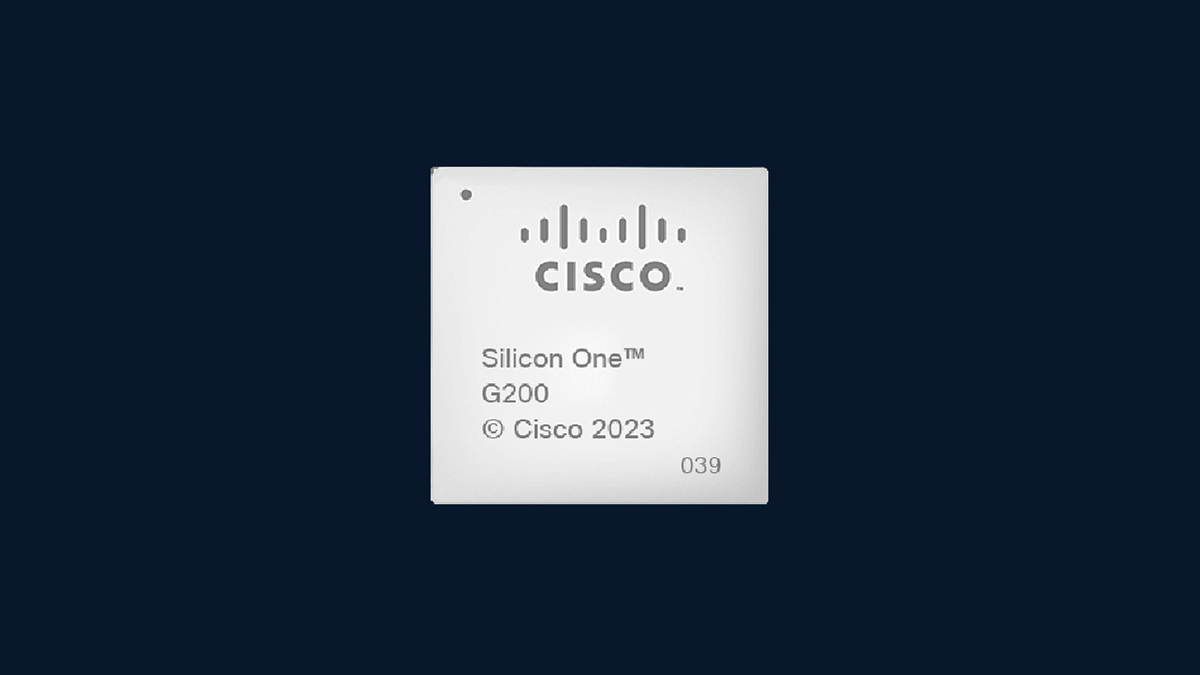
The fourth-generation G200, which breaks the 51.2 Tbps barrier, is twice as energy efficient as its predecessor, and is designed to further reduce costs and latency.
Cisco releases the 800G Nexus switching platforms powered by the Cisco Silicon One G200 chip. Cisco also announces a key partnership with NVIDIA to build future-facing AI infrastructure solutions.

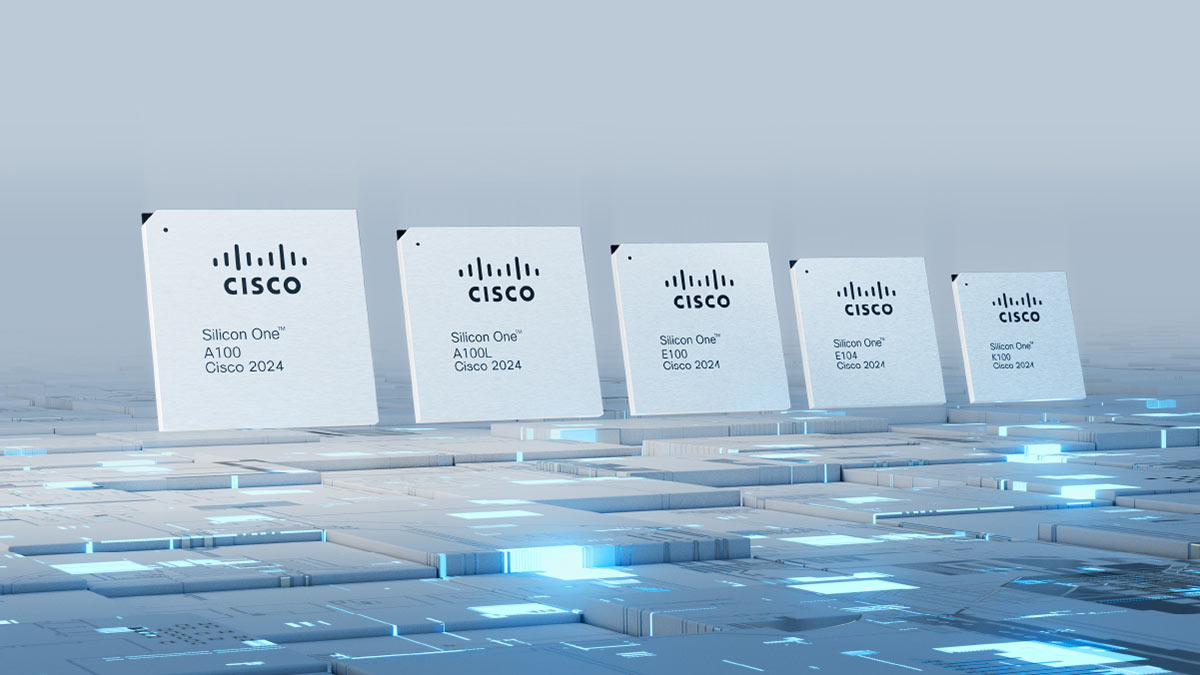
Cisco Silicon One is the only partner silicon included in NVIDIA’s Spectrum-X Ethernet networking platform.
Cisco Silicon One portfolio grows to more enterprise use cases. The Cisco Nexus data center Smart Switches combine the Silicon One E100 with AMD data-processing units, enabling enterprises to host services directly on data center switches. Additionally, the Silicon One A100 greatly expands enterprise campus capabilities.
The new P200 routing silicon enhances speed, flexibility, and energy efficiency, Purpose built for scale across networking demands, it is yet another step towards empowering customers to meet future challenges.