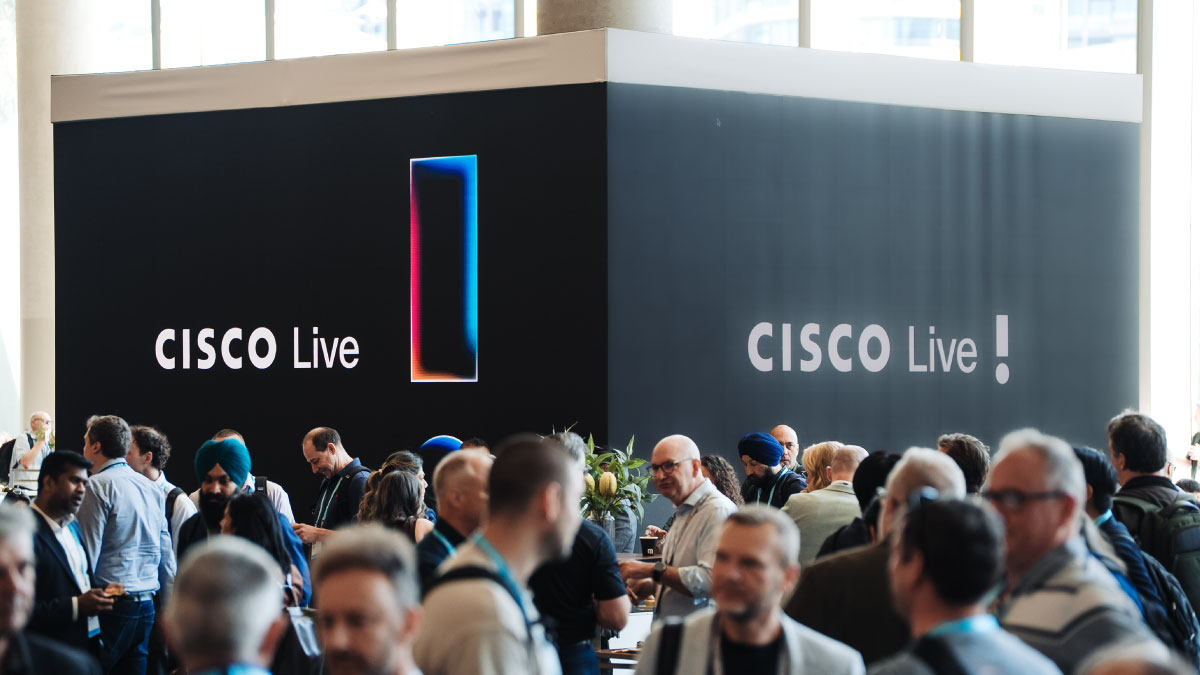



Cisco Live Melbourne 2026 featured a compelling lineup of keynotes, panel discussions, and product announcements, with more than 10,000 customers, partners, and journalists there to take it all in.
One highlight was the chance to get hands-on with the AI-powered products that are transforming networking, security, and observability. Cisco’s World of Solutions pavilion offered just that, by showcasing innovative new products including Cisco Cloud Control, AI Canvas, AI Assistant, and Enterprise Security from Splunk, a Cisco company. Customers from the Asia Pacific, Japan and China (APJC) region embraced the opportunity, reflecting the surge in tech innovation and adoption across the region.
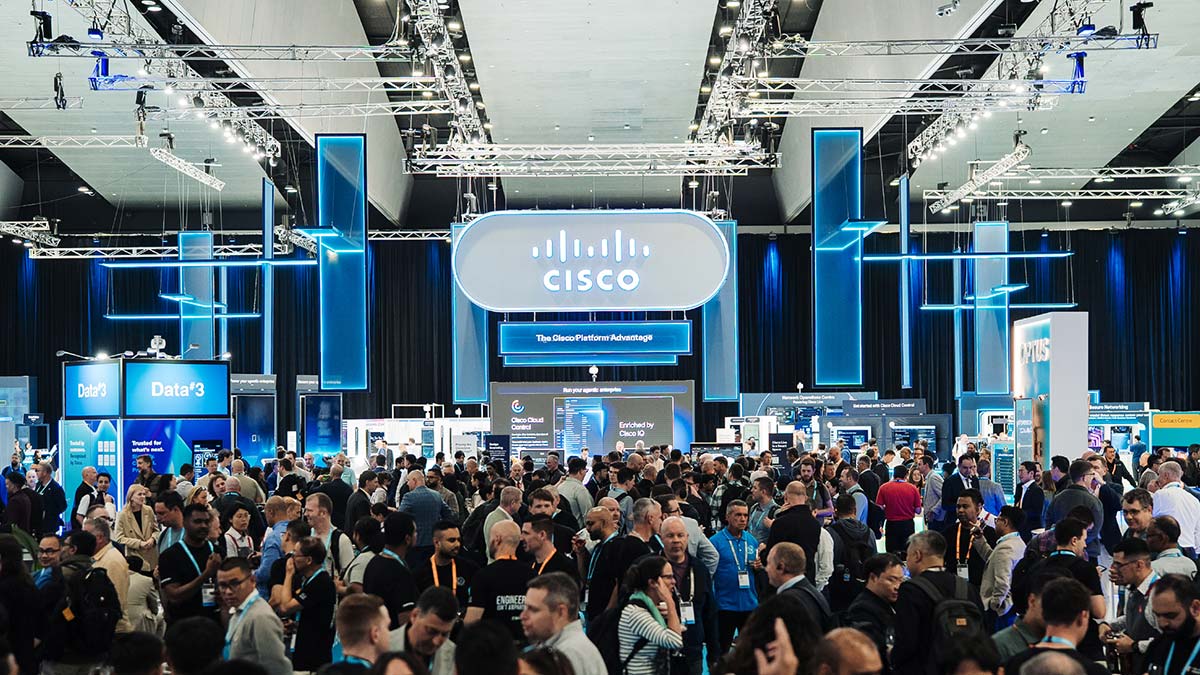
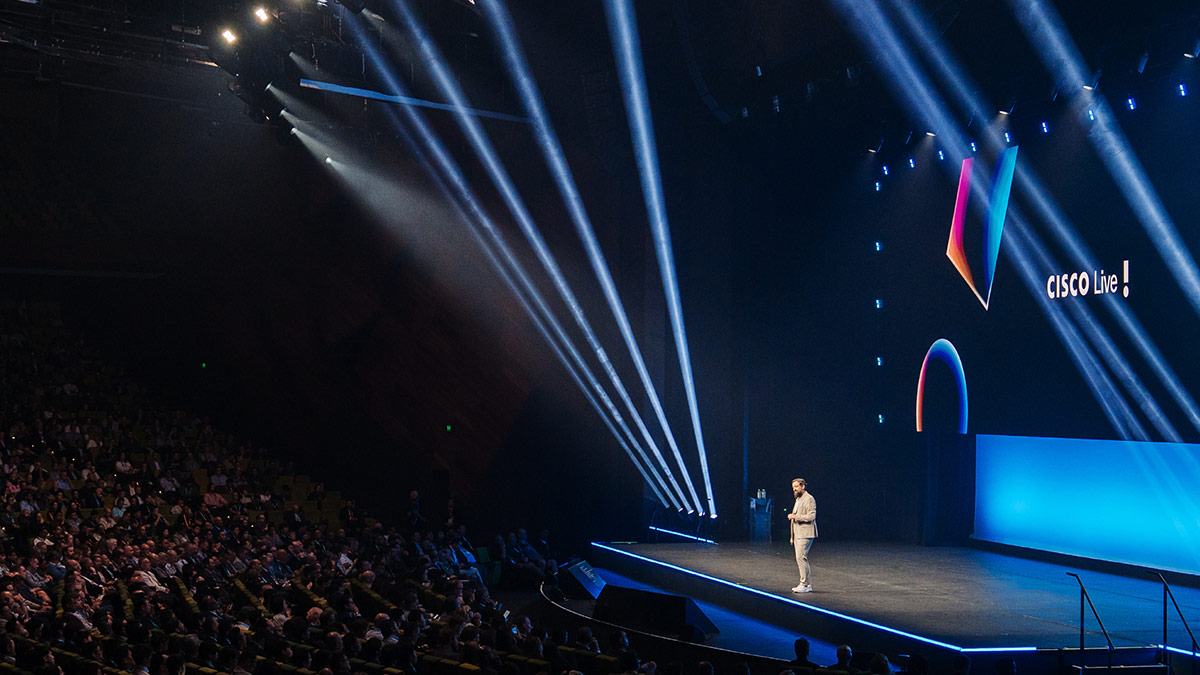
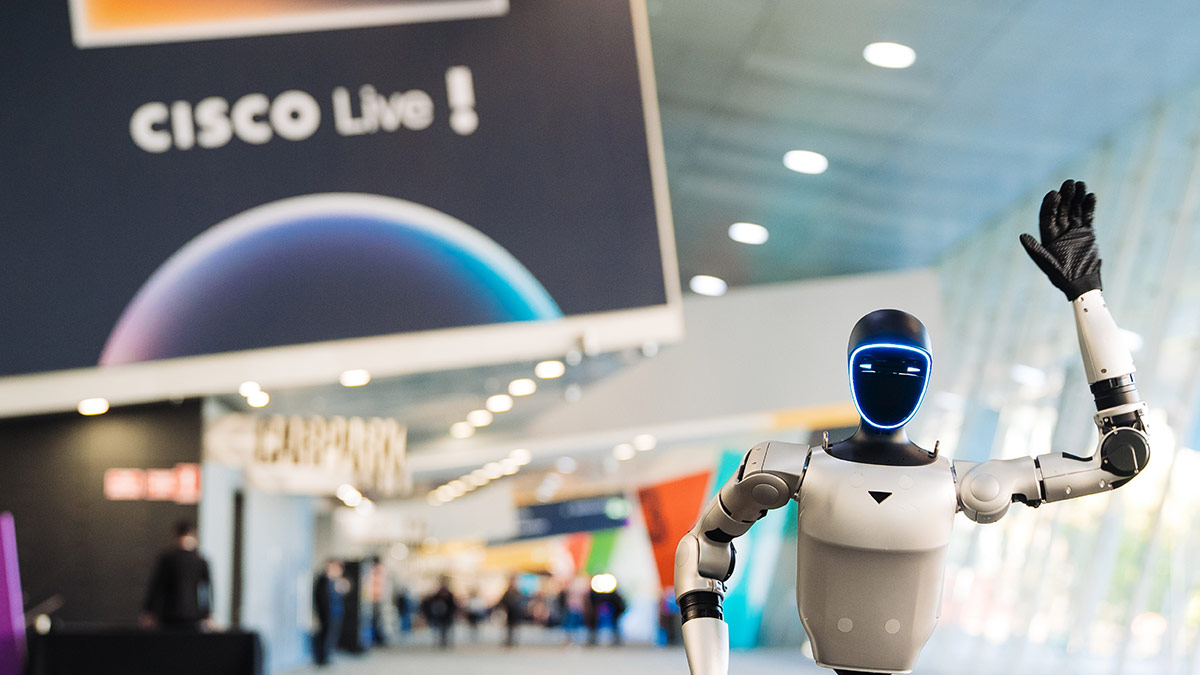
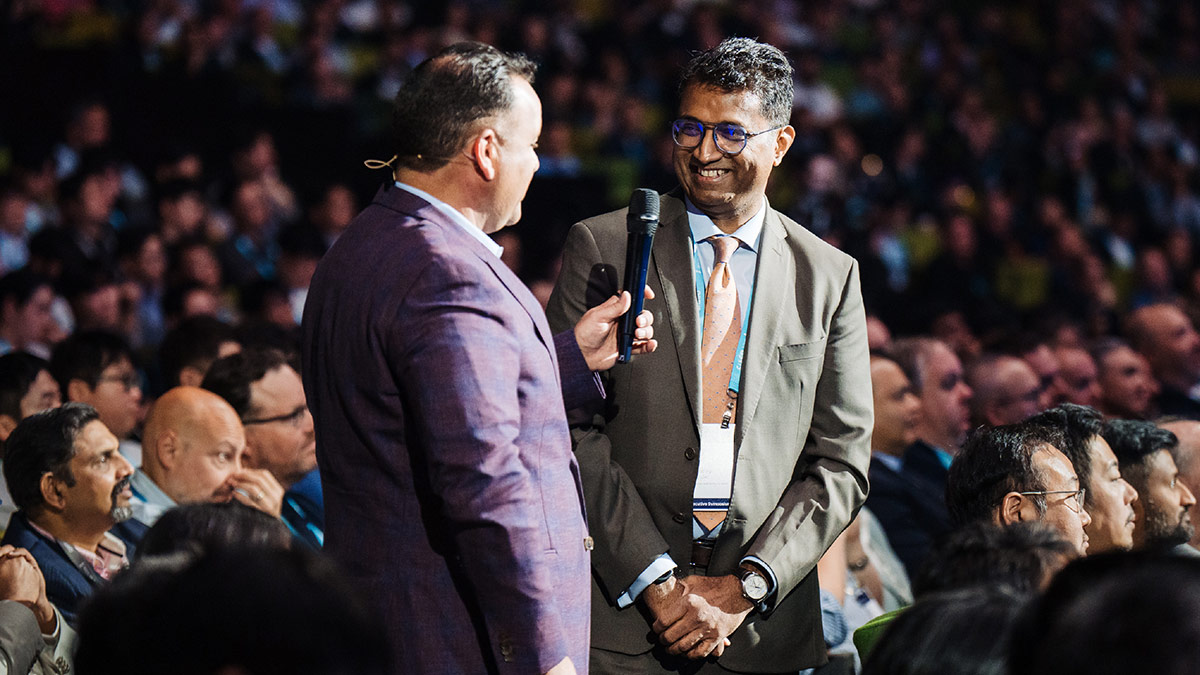
To learn more about the event, its interactive experiences, and what’s coming next in the fast-changing technology space, we spoke with Nairi Adamian, Cisco’s director of solutions engineering for APJC. Drawing on her 25 years of engineering and leadership experience at Cisco, she also shared her perspective on network transformation and empowering engineers in the agentic AI era.
Thank you, Nairi, and congratulations on a successful Cisco Live Melbourne. What stood out as a key highlight this year?
Thank you, Kevin! Last year, on the same stage, we talked about our vision around platform convergence and unifying network operations. This year, we brought that vision completely to life. In the World of Solutions, customers didn’t just look at slides — they had real, conversational interactions with autonomous AI agents managing the Cisco Live network. Customers could actually have a conversation with the NOC AI agent. They could ask it just about any question about how the Cisco Live network was running in that moment. Experiencing that level of interactive autonomy firsthand generated tremendous excitement.
Those customers, or potential customers, got a deep look into the Network Operations Center (NOC).
The NOC is truly the heartbeat of Cisco Live, and hosting it right inside the Cisco Stand was a major focal point. Attendees got to see live network dashboards powered by Splunk and talk directly with our engineering experts about what it takes to deploy, manage, and secure a network. New this year, visitors could engage directly with our NOC AI Agent to query real-time performance stats and explore the exact equipment powering their event experience. Furthermore, on our daily behind-the-scenes tours in collaboration with Endace, customers experienced a live Agentic SOC powered by Splunk Enterprise Security and Cisco Cloud Control — watching us detect, correlate, and autonomously respond to active threats across live conference traffic in real time. It was a powerful, real-world demonstration of AgenticOps in action.
Sounds like all that resonated with the customers.
Yes, while Cisco Cloud Control is currently available in the U.S., it’s coming to APJC in 2027. So, the APJC customers are looking forward to having it here—and they were especially excited to see it in action.
What are some advantages customers say they are looking forward to from Cloud Control?
In talking with customers, a number of key advantages from Cloud Control came up. The first is around operational simplicity. Our customers want to move beyond science-project AI experimentation to trusted, policy-governed outcomes that eliminate operational silos. With Cisco Cloud Control, customers gain a unified platform powering AgenticOps. That enables intelligent automation and simplified network operations across their entire infrastructure.
Security and resilience are major concerns for them.
Yes, teams today are managing highly complex, multi-vendor hybrid and IT/OT environments. In fact, a recent Cisco study revealed that while 83% of organizations plan to deploy AI agents within the next 12 months, only 13% consider their infrastructure truly AI-ready. That readiness gap is where our engineers focus. We help customers architect, identify, and secure autonomous agents within their environments.
Splunk Enterprise Security was well represented in the World of Solutions.
Yes, that was showcased inside our agentic Security Operations Center (SOC). Attendees saw real-time threat detection and autonomous response operating across the Cisco Live network. Through Splunk’s industry-leading telemetry, security teams could watch malicious traffic get identified, isolated, and neutralized as it happened.
At Cisco Live Melbourne, APJC customers saw just how comprehensive Cisco solutions are.
Our customers are looking for a trusted partner who can deliver networks that are both AI-ready and inherently cyber-resilient. Our approach comes down to three core commitments:
First, operational simplicity. With Cisco Cloud Control and AgenticOps, we eliminate operational silos so teams can move from AI experimentation to trusted, closed-loop outcomes.
Second, security fused into the network. Security can’t be an afterthought; it’s built directly into the fabric with Cisco Live Protect and quantum-safe encryption.
And third, AI-ready infrastructure, built on Cisco Silicon One and next-gen Catalyst hardware to handle massive AI data concurrency. Layer Splunk across that entire footprint, and customers get end-to-end visibility they simply can’t get anywhere else. That is why Cisco stands alone in this transformation."
You’ve been an engineer with Cisco for more than 25 years. You’ve seen a lot of change in that time. What else excites you about the future?
What excites me most over the next 12 months is that engineers are going to have an unprecedented level of technical capability, right at their fingertips — and what they will be able to deliver, at a speed that is simply unimaginable today, is going to redefine our entire industry.
Think about the traditional engineering lifecycle. I started my career as a TAC engineer, so I know this firsthand. We spent hours manually configuring equipment, troubleshooting issues, and working through complex problems. Sometimes we'd make a configuration mistake, and when a customer's network was down, we'd be waiting hours for them to email us the logs so we could even start troubleshooting. Researching complex interoperability across multi-vendor environments, digging through thousands of log lines, and validating compliance architectures could take days or even weeks of manual effort. I've lived that reality, and that's what makes the change we're seeing today so significant.
Over the next 12 months, as Agentic Operations move from sandbox pilots into live production, engineers will spend far less time on that manual effort. Autonomous agents will handle telemetry aggregation, diagnostics, and baseline verification in seconds, freeing engineers to focus on what really matters: solving complex problems, applying engineering judgment and delivering better outcomes for customers.