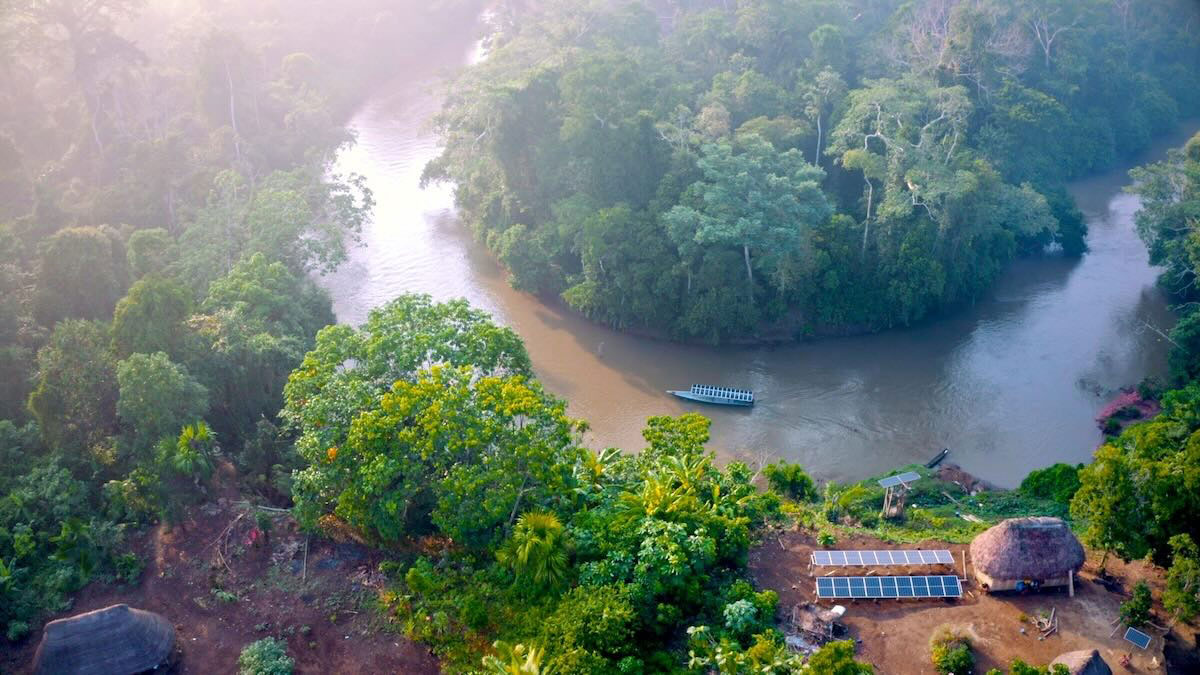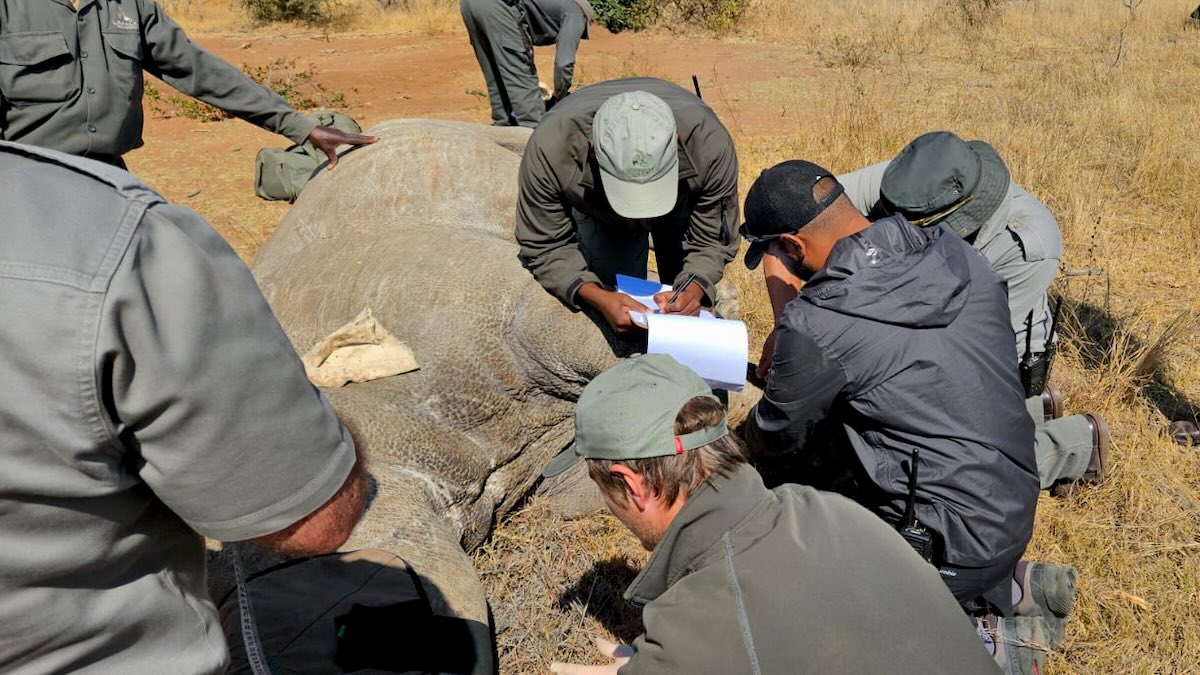



When rhinos, elephants, gorillas and other endangered wildlife are pushed to near extinction, cutting-edge solutions are needed.
So, for more than 10 years, Connected Conservation Foundation and Cisco have pioneered innovative technologies to help protect animals and their habitats from poaching and other threats — in South Africa, Kenya, Uganda, and beyond.
Lately, that partnership has expanded beyond networking, connected sensors, smart cameras, and drones. Because, while Cisco and CCF technologies are protecting 46 conservancies across 15 countries, the human side of the equation — especially education, opportunity, and skills — is just as important.
“For the last 10 years, we've been developing technical systems with Cisco,” said Sophie Maxwell, CEO and co-founder of Connected Conservation Foundation (CCF), which is based in London and South Africa. “And what's changed now is an integrated approach. So, as well as having digital technical systems, we are addressing other enabling factors.”
Chief among them? Education.
Because without trained technicians near protected areas, CCF’s solutions can’t scale and sustain. And destructive activities like poaching and animal trafficking could continue in the absence of new economic opportunities.
“We have expanded into new regions in Africa,” Maxwell said, “but the exciting thing is that we've moved from pilots to national scale. So, we've enabled in-country stakeholders to have sovereign systems. That is empowering the economies, empowering them to own their own digital infrastructure, and, more and more, to own their own education.”
Enter Cisco Networking Academy
The education side is where Cisco Networking Academy comes in. One of the largest tech-skills training programs of its kind in the world, it has trained more than 28 million learners in 95 countries since 1997. And with a strong Cisco partnership already in place, it was natural for CCF to turn to Cisco for help scaling their educational initiatives.
“Protecting wildlife at scale takes more than great technology,” said Mary de Wysocki, Cisco’s chief learning & future readiness officer. “It takes people with the skills to use it. Connected Conservation Foundation is building capabilities in communities, while advancing how we protect our planet’s most precious wildlife. Cisco is proud to support them.”
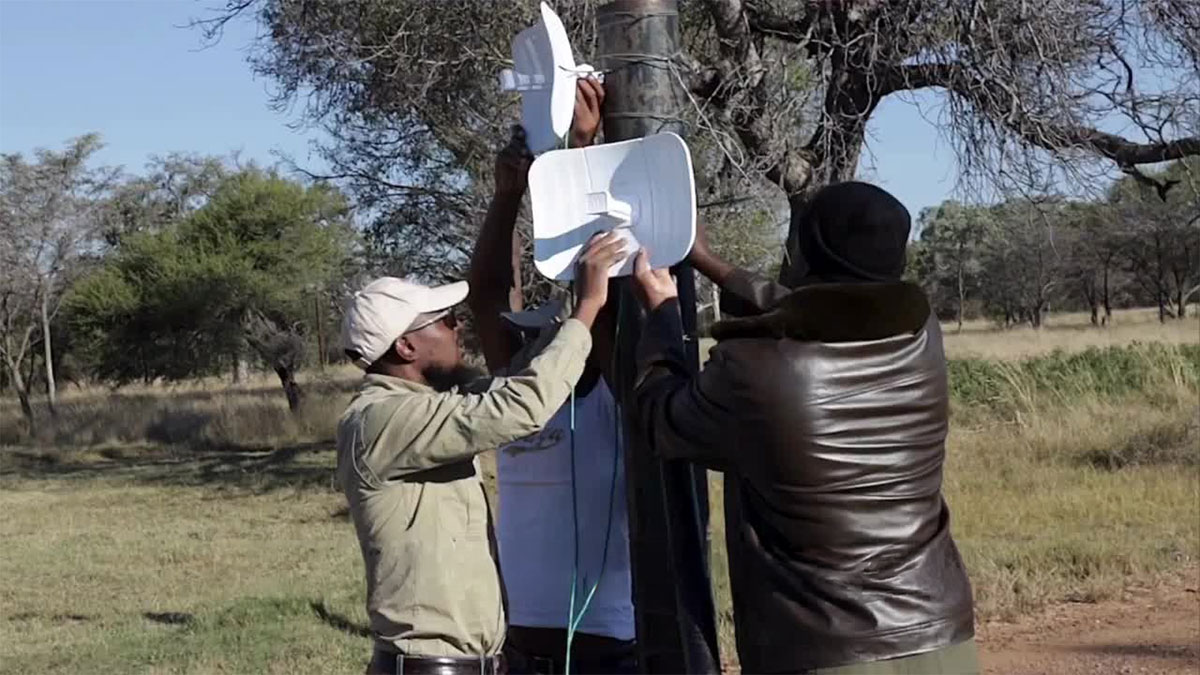
Last year, CCF and Cisco Networking Academy launched a free, online Protected Area Technician Training Program. Designed to empower local communities to deploy and maintain the technologies that are helping to save their wildlife treasures, it builds critical skills that can open new opportunities. And it’s integrated into educational centers near preserves like Lapalala Wilderness in South Africa.
“Cisco Networking Academy certifications have such strong respect and recognition within the industry,” said Elizabeth Barr, who leads the Cisco Networking Academy in the UK & Ireland. “So whatever area you're operating in, having that foundational technology certification is something that's always going to help.”
Ian Robertson, a Cisco global business development manager, has been a leader in the Cisco/CCF partnership since its earliest days. And he’s overseen critical work that has helped protect rhinos, gorillas, pangolins, lions, and hippos, to name but a few.
He, too, stressed the importance of education to sustain and grow those efforts.
“The Protected Area Technician Training Program,” he said, “is complete with sponsorships and internships. And it’s designed to equip local community members with the skills to maintain and grow these vital technologies — helping to create new career paths and champions for conservation.”
Of course, the learners have the biggest say. And many expressed thanks for the impact that the training had on their careers — as well as for the wildlife.
Effort Zivengwa is a conservation technology specialist with the Zimbabwe Parks and Wildlife Management Authority. After completing the networking basics and networking support and security courses, he received additional distinctions in cybersecurity, as well as in a course called Engaging Stakeholders for Success.
"As an ICT professional working within conservation, this training demonstrated the critical role technology plays in protecting wildlife and supporting protected area operations,” he said. “From connectivity infrastructure and off-grid power systems to sensors, camera traps, radios, and integrated monitoring solutions, the program provided practical skills directly applicable to real-world conservation challenges.”
An eye on the future, with AI and security
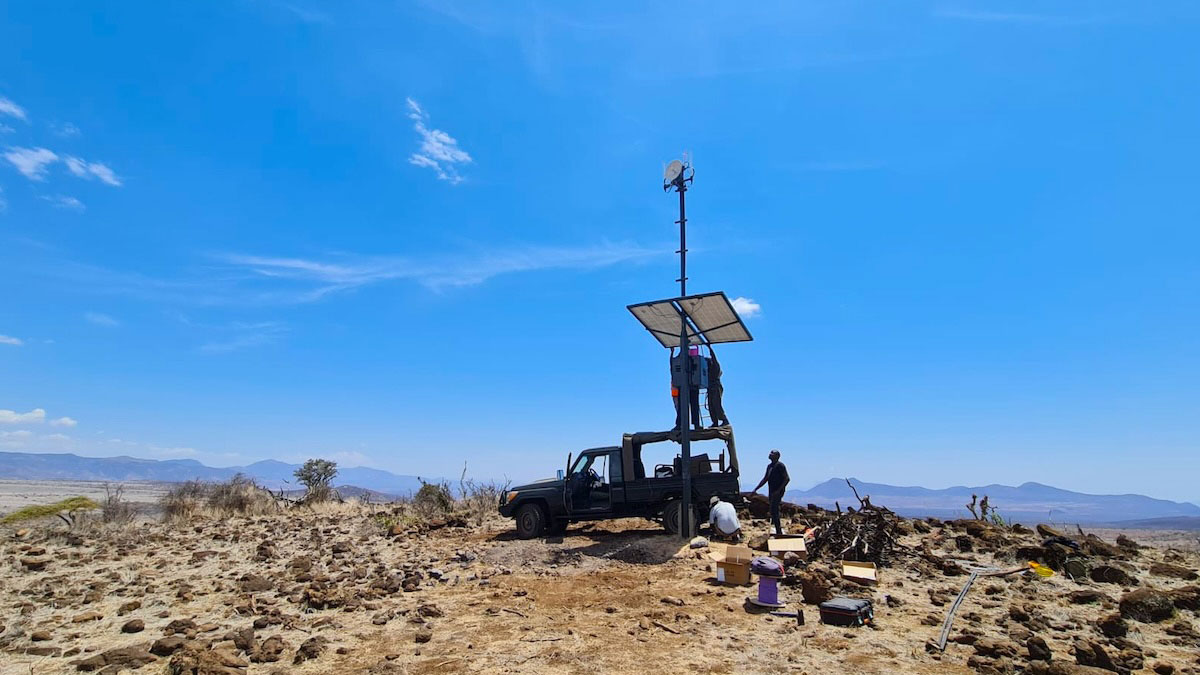
CCF is keen to change with the latest advances in tech, and like every forward-looking organization keeps a sharp focus on AI and security. Networking Academy is ready to help.
Given the high profits from animal trafficking and poaching, bad actors view the networks protecting rare wildlife as prime targets.
“From a security perspective,” Maxwell stressed, “the advanced, in-built cybersecurity and protocols that you get with the Cisco solutions are a huge reassurance. Because we need the data to be encrypted at source. For example, if you're tracking a highly endangered species like a rhino, the GPS coordinates are highly sensitive.”
Along with the technology, of course, the people to deploy and manage it are essential. And given an estimated shortfall of 4.8 million cybersecurity professionals globally, Networking Academy has a core commitment to help close the gap.
“Anybody can do these courses to build up their cybersecurity awareness and understanding,” Barr said. “And we need more people to be working in this space. Especially with AI, bad actors are becoming more and more intelligent and innovative. You know the saying: The bad actors only need to succeed once. The defenders need to protect constantly.”
Speaking of AI, Maxwell sees tremendous potential in wildlife conservation. And she looks forward to what CCF can do with a new Cisco grant that will support infrastructure upgrades and increased focus on education. “Wind forward five years, ten years, we will have AI agents looking over our protected, natural patches of green,” she predicted. “AI will be helping us understand if our animals are healthy, understand if they're diverse, and give us early warning on any kind of problem in that area. It’s inevitable; this is the future.”
Barr added that Networking Academy is there to support the skills needed to build AI into CCF’s processes.
“We have a unique offering to give people those AI foundations,” she expressed. “On the skills-to-jobs side, we embed AI and automation in everything that we're doing. So, it's not just learning in isolation where you understand networking and then separately you understand AI, it's how do you understand them both together.”
Of course, humans will still play a crucial role in a future where wildlife treasures are protected and safe. Humans, that is, with crucial technology skills — working, collaborating, and sharing ideas and solutions.
"Operating in such a challenging environment requires maximum focus,” said Idelphonse Tonoukouin, a protected-area management specialist in Bénin, who has completed Networking Academy courses in network management and cybersecurity. “Beyond the technical skills, this journey was an incredible opportunity to network and connect with amazing colleagues from different countries, sharing experiences and strengthening regional collaboration."