Empowering Accessibility with AI
3 Minute Read · 5 Minute Listen
I’m Shek Habeebul Haq, a Senior Technical Leader at Cisco’s Bangalore campus. My earlier story covers my full background, from growing up visually impaired to advancing my Cisco career. This piece picks up where that one left off.
Since then, AI has continued to deliver on its promise of greater independence and professional growth for people with visual impairments, at least for me. It has democratized software development, allowing me to build my own accessible tools despite having only partial coding knowledge.
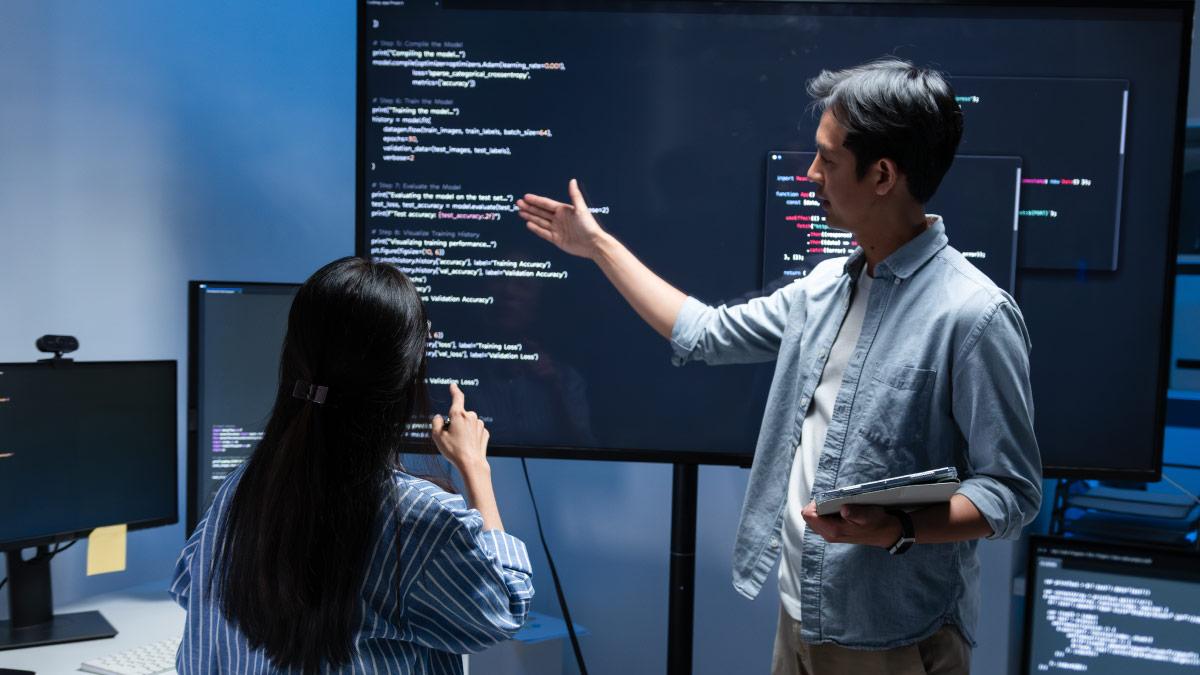
In my daily work, I use AI tools such as GitHub Copilot and VS Code to write code and create solutions tailored to my needs. I also use Circuit for quick answers and am excited about future releases, which I hope will incorporate more accessibility features to make it even easier for everyone to use.
One of my proudest creations is an accessible file reader that can read documents, presentations, spreadsheets, and PDFs directly in the browser. It even analyzes images using AI without breaching Cisco’s data protection policies, thanks to an API key provided by Cisco. I share these tools with others in the visually impaired community because if it works for me, it can help others too.
AI also works as a learning companion for screen reader users. Most technical training is still built for sighted users, with visual diagrams, video-first content, and interfaces that do not play well with a screen reader. AI bridges that gap: It explains concepts in plain language, describes visual content on request, and works through exercises with you even when the original material was not designed with you in mind.
Today, accessibility awareness at Cisco has grown significantly. Many more teams are open to feedback, and there have been meaningful improvements in tools like Cisco Modeling Labs (CML).
CML is a network simulation platform that allows engineers to design and test network configurations virtually. Previously, the web interface for CML was not fully accessible to visually impaired users like me, but with AI assistance, I developed an accessible web interface that connects to the CML controller, enabling me to complete my CCIE.
I cleared the CCIE lab exam in March 2026, and I want to recognize the Cisco certification team for building a process that makes lab exam delivery accessible for candidates with visual impairments. That took real effort and has made a real difference.
Outside of my day-to-day work, I actively participate in the Connected Disability and Neurodiversity (CDAN) community, which plays a vital role in supporting employees and building awareness about accessibility and inclusion at Cisco. CDAN’s efforts, including events for Global Accessibility Awareness Day (GAAD), help foster a culture where everyone can contribute and succeed. For those interested, recordings of recent GAAD events are available to help spread awareness and inspire action.
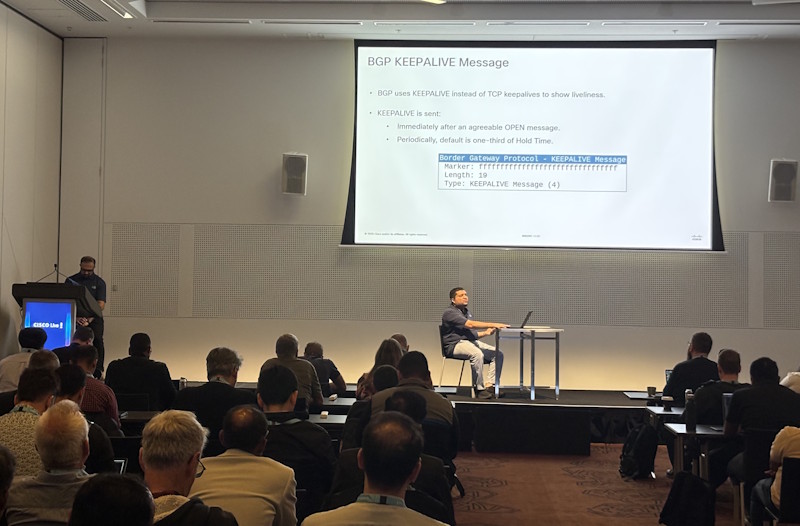
Earlier this year, I also presented a session at Cisco Live in Melbourne, and I still find it a little surreal. Presenting at a global technical conference was never on my radar.
What I hope readers take away from this is fairly simple: Disability does not set a ceiling on what someone can contribute. With the right tools and a supportive environment, people can go further than expected. I did not anticipate presenting at Cisco Live, earning my CCIE, or building accessibility tools that others would actually use. These things happened because AI lowered barriers and because colleagues backed me when it counted.
My hope is that managers and teams treat accessibility as a default rather than an afterthought, because when they do, they create space for people to grow in ways that often surprise even themselves.
Employee resources
- Connected Disability and Neurodiversity (CDAN)
- Global Accessibility Awareness Day (GAAD)
- Edge Up Hub
- Cisco Accessibility Hub
- Accessibility Policy
Related links


Related Content