


Today’s organizations are laser focused on agentic AI.
But many face steep challenges navigating the lightning-fast changes that AI is driving.
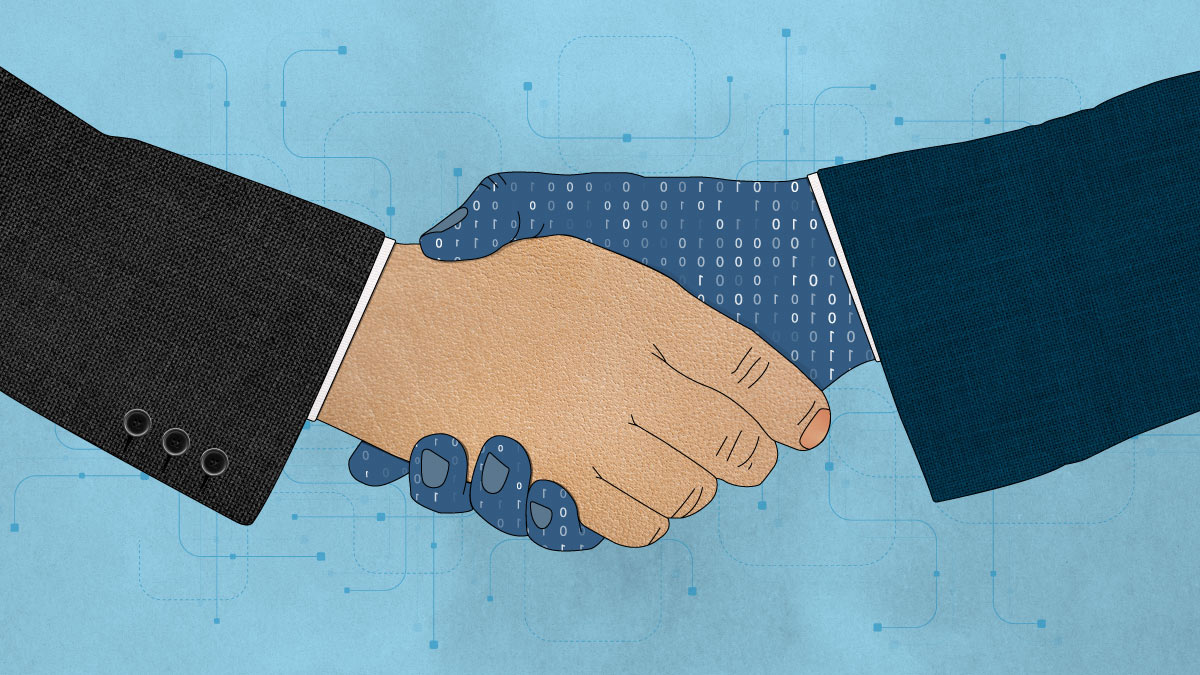
In particular, they fail to close the trust gap that surrounds AI, especially around security and privacy. And a workforce or customer base that doesn’t feel confident in AI, won’t use it to full impact.
As Jeetu Patel, Cisco president and chief product officer, stressed, “The ability to delegate a task in a trusted form, versus just delegating a task, not being trusted, is going to be the difference between being a market leader versus being bankrupt.”
But how can organizations build trust into the foundations of AI — and reassure customers and employees that their agentic AI is safe? And how can they counter the threats that agentic AI poses when employed by bad actors.
Here are five ways to close the trust gap across an increasingly sophisticated threat landscape:
Establish the fundamentals — Attackers love low-hanging fruit. So, organizations must ensure that all the basics are in place and upgraded. That includes phishing-resistant multifactor authentication, strong identity verification, least-privilege access (including for AI agents), and Zero Trust architectures. Staying up to date with patching, maintaining asset visibility, and configuration management are equally essential.
Upgrade your infrastructure — Given today’s advanced threats, structural vulnerabilities are not an option. Any devices, software, or end-of-life systems that can’t be patched, upgraded, or supported must be replaced. Modern platforms should include advanced protections such as memory safety mechanisms and exploit mitigations. And they should be flexible and upgradeable to protect against the threats to come.
Defend at machine speed — The human mind simply cannot comprehend the scale of today’s threats, especially considering their adaptability, intelligence, and speed. So, automation is a must-have. This includes investing in machine-speed detection, automated triage and containment, and continuous monitoring of identity and data activity.
Embed your defenses — Analyzing an attack after the fact is no longer an option. So, defenses must be embedded directly within the workload, device, and traffic path, enabling security controls to act in real time. Examples include in-line enforcement mechanisms, runtime protections, and independently updateable exploit shields that can respond to emerging threats
Unleash your own AI — The best defense against AI-empowered attackers is AI-empowered defense. Security teams can use AI for threat hunting, conformance testing, digital twins, and validation. And with agentic AI as a virtual team member, they can compress deployment cycles from months to days.
Takeaways
Patel reaffirms that agentic AI can support amazing advances in productivity and innovation — if the trust gap is closed.
“Projects shelved for lack of resources are now within reach,” he said. “The only limit is imagination, and security teams are the key to unlocking this opportunity by making the agentic workforce safe enough to trust."
So, in the age of agentic AI, trust cannot be treated as a feature layered on at the end. It has to be built into the foundation.
Cisco offers a comprehensive portfolio of AI-powered, platform-based networking, security, and observability solutions that cover all five of these categories and more. By combining these with Cisco services and support — as well as the company’s leadership and guidelines around responsible AI usage — any organization to join the AI revolution with confidence.
For a deeper dive on how organizations can ensure the trusted adoption of agentic AI, check out Cisco’s white paper Shields Up: Guidance for defending in the age of AI-enabled attacks.